

Lab-Grown Meat Approved: Is Cultured Meat Safe and Healthy for Consumers?
Introduction For many years, the idea of lab-grown meat—also known as cultured or cell-based meat—sounded like sci-fi. Yet advances in cell biology and food tech have propelled this concept into reality. Regulatory bodies in certain countries have approved cultured meat...
Read More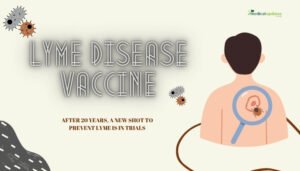
Lyme Disease Vaccine: After 20 Years, a New Shot to Prevent Lyme Is in Trials
Introduction Lyme disease—spread by ticks carrying the Borrelia burgdorferi bacteria—affects tens of thousands each year in the United States and Europe. Common symptoms include rash (the “bull’s-eye” erythema migrans), fatigue, and joint pain; untreated cases can lead to arthritis, neurological...
Read More
Alzheimer’s Nasal Spray Vaccine: Testing a Vaccine to Prevent Alzheimer’s via the Nose
Introduction Alzheimer’s disease is a debilitating neurodegenerative condition, marked by progressive memory loss, cognitive decline, and the presence of beta-amyloid plaques and tau tangles in the brain. Despite decades of research, no definitive cure exists. However, a novel strategy is...
Read More
DNA Repair Boosters: Experimental Drugs to Slow Aging by Enhancing DNA Repair
Introduction Damage to our DNA accumulates over time, fueling the aging process and contributing to age-related diseases. From ultraviolet radiation to oxidative stress, day-to-day insults gradually overwhelm our natural DNA repair systems. Now, emerging DNA repair boosters—molecules or drugs—aim to...
Read More
Biomarker for Suicide Risk: Blood Test Might Predict Suicidal Thoughts
Introduction Suicide ranks among the leading causes of death worldwide, often leaving friends and family grappling with how such a tragedy could have been foreseen or prevented. While mental health professionals rely on patient-reported symptoms and clinical assessments, biological markers...
Read More
Xenotransplantation Update: How Long Can Pig Kidneys Work in Humans?
Introduction With the ongoing shortage of human organs for transplantation, xenotransplantation—the use of animal organs in humans—has emerged as a potential answer. Recently, groundbreaking experiments have transplanted pig kidneys into human recipients (often brain-dead individuals for initial safety trials) and...
Read More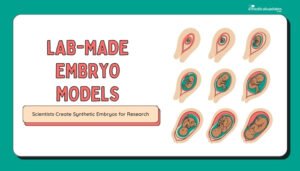
Lab-Made Embryo Models: Scientists Create Synthetic Embryos for Research
Introduction Understanding how a human embryo develops at its earliest stages remains one of biology’s greatest frontiers. However, research on actual embryos is highly regulated and limited by both practical and ethical constraints. Recently, scientists have pioneered lab-made embryo models—often...
Read More
Contraceptive Gel for Men: Clinical Trials Progress on a Male Birth Control Gel
Introduction For decades, women have shouldered most of the responsibility for birth control. While men have used condoms or chosen vasectomy, new male contraceptive options have largely stalled in development. Now, scientists are testing a contraceptive gel designed for men—promising...
Read More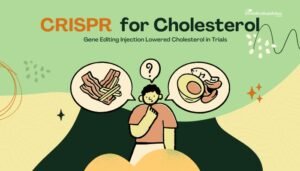
CRISPR for Cholesterol: Gene Editing Injection Lowered Cholesterol in Trials
Introduction High cholesterol—particularly elevated low-density lipoprotein (LDL) levels—remains a major risk factor for heart disease, the leading global cause of death. While medications like statins help control LDL, not all patients respond or tolerate them well. Enter CRISPR gene editing—a...
Read More
New Tuberculosis Vaccine Trials: A Century Wait for a Better TB Shot
Introduction Tuberculosis (TB) remains one of the oldest yet deadliest infectious diseases, claiming over a million lives each year, especially in low-resource regions. Although the BCG (Bacillus Calmette–Guérin) vaccine has been around for nearly a century, it shows variable efficacy—particularly...
Read More